


The historic cafés of the Ciudad Vieja, which attract both locals and tourists today, are a must-visit to truly understand Uruguayan culture. Almost all of them have been around for over a hundred years and represent the soul of Montevideo, holding in their tables the memories of great Uruguayan artists. Join us in exploring the traditional bars of Montevideo and enjoying their delicious gastronomic offerings.
The Uruguayan capital is renowned for the charm of its streets and the friendliness of its people, as well as the beauty of its buildings. However, one of its greatest attractions is the preservation of structures that are over a century old, inviting us to traverse the history of Montevideo and learn about its culture. This is reflected in the variety and number of traditional and historic bars you will find throughout the city.
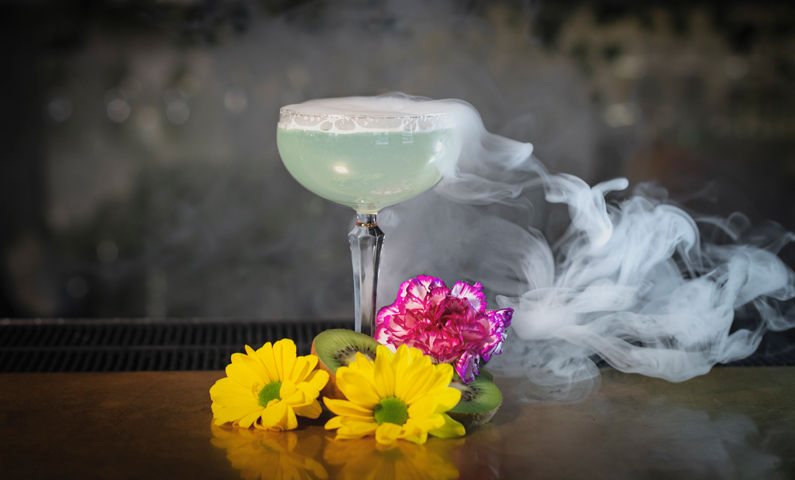
Best notable bars in Montevideo Ph © Anders E. Skanberg
The Best Traditional Bars in Montevideo
As you stroll through the city, you will find the most notable cafés and bars distributed across its vibrant neighbourhoods. Here, you can not only immerse yourself in the history of Uruguay and travel back in time, but also savour delicious drinks, desserts, and regional dishes.
Join us in discovering the wonders of each architectural style, their furnishings, and the anecdotes that these notable bars have to share in our journey through Uruguayan culture.

Bar Facal
Bar Facal is one of the oldest and most emblematic bars in central Montevideo. Founded in 1882, this bar has witnessed the evolution of the city and has been a meeting point for both locals and tourists alike.
Situated in front of the romantic Fountain of Locks, El Facal is one of the most notable and traditional bars in Montevideo, brimming with history and culture. Additionally, it offers tango shows at noon and a community café, making it an ideal spot to enjoy local gastronomy and culture.
Throughout its long history, this venue has not only been one of the most traditional bars in Montevideo. El Facal, once a chocolate and quince factory, today is a must-visit.
Bar Facal prides itself on offering a wide variety of traditional Uruguayan dishes, combined with influences from cuisines around the world. The statue of Carlos Gardel, a tribute to one of the bar’s frequent patrons, recognises this bar as a true cultural landmark.
Avenida 18 de Julio 1249, City Centre.
El Tasende
When it comes to traditional bars in Montevideo, Bar Tasende is a must-mention. With over 90 years of history, this classic spot was founded on 1st May 1931 by Jesús Tasende and is located at the crossroads of Barrio Sur, Old Town, and central Montevideo.
Over the years, the tables at Tasende have welcomed a host of personalities from the arts, cinema, theatre, and music, including the likes of Rubén Rada, Jaime Roos, Canario Luna, Jorge Drexler, and even singer Rod Stewart.
Bar Tasende is a café and pizzeria that has stood the test of time. Nestled in a charming 19th-century mansion near Plaza Independencia, the bar still boasts its original iron columns, vaulted ceiling, and beautiful stained-glass windows.
Known for its unique atmosphere, Tasende is famous for its pizza al Tacho, a treat you simply can’t miss. It’s not uncommon to spot former president Pepe Mujica enjoying his favourite pizza at this iconic, history-filled venue.
Ciudadela 1300, Old Town.
El Hacha
El Almacén del Hacha is one of Montevideo’s oldest and most iconic bars. Founded in 1794, it has seen over two centuries of history and traditions, not to mention a few changes along the way.
The bar’s unusual name is said to come from a tragic incident in the 18th century when a thief murdered an employee with an axe.
El Almacén del Hacha beautifully combines the best of Rio de la Plata tango with excellent international cuisine. It’s one of the top spots in Montevideo, perfect for both tourists and locals eager to soak up Uruguayan culture and gastronomy. Plus, the bar hosts live shows and cultural exhibitions, adding even more to your experience.
This traditional bar is a living testament to Montevideo’s rich and vibrant history. Its ambiance, steeped in stories and cultural heritage, makes it a unique place to visit and learn more about the city.
Buenos Aires 202, Old Town.
Café Brasilero
Founded in 1877, Café Brasilero is one of the most traditional historic bars in Montevideo that still stands strong today. With nearly 150 years of history, it’s known for its Art Nouveau style, dark wooden tables, Thonet chairs, and walls adorned with photos of famous patrons.
In the late 1930s, renowned writer Juan Carlos Onetti was a regular here, where he penned his first novel, El Pozo. He always sat at the same table by the window, jotting down ideas directly on the table when he ran out of paper, which led him to buy it from the café owner!
Another famous Uruguayan writer, Eduardo Galeano, also frequented the café, claiming a favourite table by the window. The tables at Café Brasilero have hosted other notable writers like Mario Benedetti, Idea Vilariño, and Joaquín Torres García.
Besides its literary legacy, Café Brasilero serves a contemporary menu filled with scrumptious desserts, including glazed almond apple pie and lemon pie.
Ituzaingó 1447, Old Town.
Gran Sportman
Established 127 years ago, Gran Sportman is one of Montevideo’s most recognised bars. Its prime location across from the Faculty of Law has made it a favourite among students and university professors, earning it the nickname “the students’ bar.” Many would gather to review notes, sip coffee or grappa, and chat while indulging in delicious chivitos, a beloved Uruguayan dish.
Gran Sportman has also served as a barbershop, billiard hall, and even featured marble chess tables. During the military dictatorship, it became a haven for students, who would hide in the basement when the police arrived.
Though the original building was demolished and rebuilt in 1981, it remains a lively meeting point for everyone from historians to politicians. Gran Sportman is truly one of the most traditional and emblematic bars in Montevideo.
This historic venue has witnessed the city’s evolution and continues to be a gathering place for locals and tourists, making it a must-visit on your bar-hopping adventure.
Avenida 18 de Julio 1803, Cordón.
Sorocabana
In the 1930s, the Brazilian coffee market faced a crisis, leading to efforts to open bars and cafés abroad to promote the product. Thus, Sorocabana was inaugurated in 1939 in Plaza Cagancha, becoming the first in a series of cafés both in Montevideo and across the country.
Located in the heart of Ciudad Vieja, it has become a true icon of Montevideo. Having opened over a century ago, this notable bar has become a go-to spot for both locals and tourists, thanks to its famous “to-go coffee” that draws in crowds.
Legend has it that when Uruguay won the FIFA World Cup in 1950, this traditional Montevideo bar served over 20,000 cups of coffee that afternoon! Additionally, it has been a gathering spot for various groups, including Spanish exiles, politicians, actors, journalists, and musicians.
Sorocabana is known for its fantastic menu, featuring Italian, Latin, and Mediterranean dishes. With a century of legacy, it’s an essential stop for lovers of history and coffee.
25 de Mayo 485, Old Town.
Bar Tabaré
Tucked away in the charming neighbourhood of Punta Carretas, Café Bar Tabaré is one of the best bars in Montevideo. Founded a century ago by a family of Spanish immigrants, this spot has kept its traditional vibe while adapting to modern times.
Originally, Bar Tabaré was a family business with two sections—a bar on one side and a grocery store on the other. The name pays homage to one of the most famous works by Uruguayan writer Juan Zorrilla de San Martín.
Due to its proximity to the Punta Carretas lighthouse, many of its early customers were artisanal fishermen who would stop by for a comforting drink, like grappa, caña, or coffee.
In the 1990s, Tabaré transformed into a bar and restaurant, closing the grocery but keeping its original charm and essence. Today, it features furnishings with tables and chairs reminiscent of the original wooden and marble designs.
With its vintage charm attracting both locals and tourists, Bar Tabaré is rich in Uruguayan history and culture.
Zorrilla de San Martín 152, Punta Carretas.
La Giraldita
La Giraldita, a traditional bar and café in Montevideo, has been a witness to countless stories and special moments since its establishment. Located in the Pocitos neighbourhood and founded in 1913, it has seen over a century of Montevideo’s history and traditions.
La Giraldita stands out for its historical charm and dedication to preserving traditions. The original furnishings, wooden tables and chairs, along with antique decorations, create a unique atmosphere that whisks visitors back to the early 20th century.
You can enjoy a coffee, a glass of wine, or a delightful afternoon tea while soaking in the rich culture and history of this venue.
The corner where La Giraldita sits has long been a meeting point for artists, intellectuals, and tourists, making it the perfect spot to wrap up a tour of Montevideo’s historic streets.
This historic bar will not only amaze you with its old-world charm and tradition but will also win you over with the delightful flavours of its food and drinks.
José Benito Lamas 2745, Pocitos
The Historic Bars of Montevideo
As you explore the city, you’ll discover a rich cultural heritage reflected in its notable and historic bars. These venues not only preserve the traditions and history of the city but also offer tourists a unique gastronomic experience. Visiting these iconic bars is your chance to dive into the true essence of Montevideo and enjoy its warm atmosphere alongside a great drink.
Find The Most Notable Bars in Montevideo on the map